

I remember the exact moment I hit my lowest point with Google Maps rankings. After countless tweaks and endless hours troubleshooting, I watched my once-promising local rankings plummet. It was frustrating—tearing my hair out while knowing that every missed call or lost customer was partly on me for not understanding the quirks of map search algorithms. That lightbulb moment came unexpectedly: real improvements hinge on specific, targeted fixes. Since then, I’ve dedicated myself to mastering those strategies that truly move the needle for 2026 foot traffic.
Why Map Pack Optimization is a Business Lifeline in 2026
Today, local search results dominate the way customers find businesses nearby. Whether it’s a quick search for “coffee shop near me” or a detailed look at service providers, Google Maps is where most local journeys begin—and they often end. I’ve seen firsthand how small tweaks to map visibility can lead to dramatic increases in foot traffic and sales.
But here’s the kicker: the things we thought worked last year no longer cut it. Google updates its ranking signals constantly, and what worked in 2023 might be obsolete by 2026. That means you need a fresh approach—one grounded in the latest data and best practices. Improving your map pack presence isn’t just about claiming your listing; it’s about optimizing every signal Google considers.
Interestingly, a report from BrightLocal shows that 76% of local searches result in an in-store visit within a day. That means if your business isn’t ranking prominently, you’re potentially leaving a lot of money on the table. Yet, many business owners I speak with tell me they’re still making elementary mistakes—like neglecting their Google Business Profile or ignoring local SEO metrics.
Do you feel like your Google Maps rankings are stalling or even dropping? You’re not alone. But here’s the good news: with focused, strategic actions, you can reverse this trend. I’ll walk you through the essential fixes that helped me move from obscurity to visibility, and they can do the same for your business.
Ready to dive into the fixes that truly make a difference? Let’s explore the key tactics to elevate your 2026 map presence and turn online searches into real-world visits.
Optimize Your Google Business Profile for Maximum Impact
First, claim and verify your GMB listing if you haven’t already. Ensure all information is accurate, complete, and up-to-date, including your business name, address, phone number, and hours of operation. Use consistent NAP data across your website and directories to avoid confusion with Google.
Leverage Local SEO Tactics That Drive Results
Next, focus on local keywords in your business description and service categories. Incorporate hyper-local content and location-specific keywords naturally, such as neighborhood names or city districts. Regularly update your profile with fresh photos and posts to signal activity and relevance.
Prioritize Key Metrics That Influence Visibility
Monitor essential maps SEO metrics like click-through rate, distance, and review count, which directly impact your rankings. Use tools and best practices outlined in this guide to track and analyze these signals consistently.
Tackle Common Signal Errors Head-On
Identify and fix signal errors that Google deems problematic. This includes resolving duplicate listings, correcting inconsistent data, and removing fake or spammy reviews. Use audits described in this resource to systematically address these issues.
Enhance Your Map Pack Visibility with Proven Techniques
Implement local link-building strategies by earning citations in local directories, partner sites, and community pages. Engage with your audience through Google Posts and respond promptly to reviews—positive or negative—to boost engagement signals. For visual clarity, see our recommended image below.
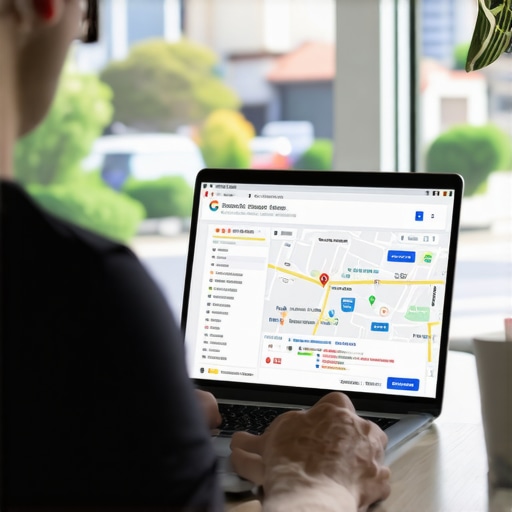
Make your business more discoverable with vibrant photos and engaging updates that resonate locally. Remember, a lively profile keeps users engaged and signals activity to Google’s algorithm.
Use Data-Driven Decisions to Outperform Competitors
Regularly analyze your performance using metrics like visibility, search volume, and engagement. Adjust your strategy based on what the data reveals. For step-by-step insights, visit this detailed guide.
Address Technical and Algorithmic Glitches Quickly
Stay alert to updates or glitches affecting your rankings. Quickly rectify issues such as map pin problems, incorrect categorization, or outdated information. Our troubleshooting checklist in this article can help you stay one step ahead.
Many local businesses believe that simply claiming and updating their Google Business Profile guarantees top rankings. While foundational, this approach overlooks the intricate nuances that truly influence map pack visibility and rankings in 2026. A common myth is that keyword stuffing in profiles alone can propel you to the top, but recent studies highlight that over-optimization can backfire, causing algorithmic penalties. Instead, a balanced, data-driven approach focusing on consistent engagement and signal quality is paramount.
One trap many fall into is neglecting recent algorithmic shifts. Google’s ranking signals evolve rapidly, incorporating subtle factors like user engagement patterns, business attribute consistency, and hyper-local relevance. Missing these details can leave even well-optimized profiles invisible to your target audience. For example, relying solely on review counts without analyzing review quality and relevance may damage your credibility or mislead your strategy. To navigate this complex landscape, it’s essential to leverage comprehensive metrics like those explained in this guide.
Have you ever fallen into this trap? Let me know in the comments.
Why Do Some Profiles Outperform Despite Similar Strategies?
This question points to the often-overlooked factor of signal strength beyond mere presence. Advanced local SEO involves optimizing for contextual relevance and the quality of signals like local citations, image engagement, and user interaction. It’s not just about data points but how they synergize to convey authenticity and relevance. For instance, earning citations from authoritative local sources paired with high-quality, consistent NAP data can significantly boost your rankings, as detailed in this resource.
Furthermore, beware of over-relying on superficial metrics like review volume. Instead, focus on nuanced indicators like review sentiment and recency, which recent research suggests are more predictive of local ranking stability and conversion likelihood (see this study). Effective map presence hinges on a composite picture of signals rather than isolated metrics.
Finally, avoid the pitfall of neglecting technical glitches that subtly impair visibility. Small issues like duplicated listings, inconsistent categories, or outdated information can cause significant ranking drops—an issue often underestimated. Regular audits and swift corrections, using comprehensive checklists discussed in this article, are critical.
By understanding and mastering these nuanced factors, you can elevate your local map presence from mediocre to dominant. Remember, the power lies in the details—ever-expanding signals and their interplay determine who ranks, and who gets left behind. Stay observant, adapt quickly, and let your data tell the real story of your local SEO success.Maintaining a strong map pack presence requires a combination of reliable tools, disciplined routines, and ongoing optimization. Personally, I rely heavily on BrightLocal’s Local Search Audit Tool to regularly audit my listings for duplicates, inconsistent data, and review quality. This tool allows me to catch issues before they impact rankings, ensuring my business stays visible and relevant. Additionally, Google’s own Search Console provides invaluable insights into how users are finding my profiles through queries and click-through rates, helping me fine-tune my local keywords and content strategies.
To manage review monitoring effectively, I use ReviewTrackers. It consolidates reviews from multiple platforms, allowing me to respond promptly and maintain high engagement levels, which are essential signals for Maps SEO. Responding to reviews not only boosts my profiles’ activity but also demonstrates to Google that my business values customer feedback, a trust factor in search algorithms.
For long-term success, I leverage SEMrush Local SEO Toolkit, which tracks your local rankings across various keywords and competitors. It highlights fluctuations and provides actionable insights to adapt my strategy proactively. These tools collectively help me maintain consistent signal quality, so I don’t fall behind due to technical issues or outdated information.
Looking ahead, automation and AI-driven monitoring will become even more critical. Trends suggest that future algorithms will favor more dynamic updates and real-time engagement metrics, rather than static optimizations alone. Implementing tools that automate review responses, update NAP data across directories, and monitor performance metrics will save time and keep your profile performing at its peak.
How do I keep my map optimization efforts sustainable over months and years? Consistency is key. I set weekly audits for data accuracy, bi-weekly review responses, and monthly performance reviews using the aforementioned tools. Regularly updating your profile with fresh photos, local content, and engagement signals ensures Google perceives your listing as active and trustworthy.
If you haven’t explored this guide on detailed metrics that influence your rankings, now’s the time. Test one advanced tip today—like automating review monitoring—to elevate your local visibility and stay ahead of competitors in 2026.
The Hardest Lesson I Learned About Boosting Map Rankings in 2026
One of the most profound realizations I had was that technical glitches and overlooked signals can silently sabotage your rankings, even when your profile seems optimized. This lightbulb moment pushed me to adopt rigorous auditing routines, emphasizing the importance of catching small errors before they snowball into visibility disasters. Trust me, attention to these details can mean the difference between being visible and invisible on Google Maps.
My Go-To Resources for Staying Ahead in Local SEO
Over the years, I’ve leaned heavily on tools and guides that provide actionable insights. This guide on key metrics has reshaped how I interpret signals, while this resource helped me understand which data points truly influence visibility. Combining these with local SEO audit tools like BrightLocal keeps my profile sharp and resilient against algorithm shifts.
Fuel Your Drive With the Power of Continued Action
In the rapidly evolving world of Google Maps, stagnation means slipping behind. Now is the time to refine your signals, harness the right tools, and stay vigilant against unseen errors. Your local visibility journey is ongoing—embrace this challenge with enthusiasm and a strategic mindset. Remember, mastering map pack visibility is about consistent, informed effort—every small fix compounds into significant growth. So, what will be your first step today to elevate your local presence in 2026? Share your thoughts below and let’s grow together!
![5 Maps Search Performance Fixes for AI Voice Filters [2026]](https://mappackvisibility.com/wp-content/uploads/2026/04/5-Maps-Search-Performance-Fixes-for-AI-Voice-Filters-2026.jpeg)


![3 Maps Search Performance Fixes for AR-Ready Pins [2026]](https://mappackvisibility.com/wp-content/uploads/2026/04/3-Maps-Search-Performance-Fixes-for-AR-Ready-Pins-2026.jpeg)


![3 Maps Search Performance Fixes for Hybrid Offices [2026]](https://mappackvisibility.com/wp-content/uploads/2026/03/3-Maps-Search-Performance-Fixes-for-Hybrid-Offices-2026.jpeg)
![3 Local Search Performance Fixes for High-Latency Areas [2026]](https://mappackvisibility.com/wp-content/uploads/2026/03/3-Local-Search-Performance-Fixes-for-High-Latency-Areas-2026.jpeg)