I vividly remember the moment I realized my Google My Business listing was invisible to potential customers. Despite optimizing with countless keywords, it felt like shouting into the void. The frustration was real. Then, an aha moment struck—high-quality photos might be my secret weapon, more effective than endless keyword tweaks. If you’ve been battling to get your local map ranking higher but feel stuck, you’re not alone. Today, I’ll share why investing in professional, clear, and appealing photos can dramatically enhance your visibility and how this simple tweak can outshine even your best keywords.
Seeing Is Believing: The Power of Photos in Map Rankings
Have you ever wondered why some businesses dominate the local search results despite having mediocre keyword strategies? It turns out, Google prioritizes visual content because it’s more engaging and trustworthy for consumers. According to a recent study, 67% of consumers say that the quality of a business’s photos influences their decision to visit. This suggests that high-quality images don’t just make your profile look attractive—they actually impact your rankings.
But here’s the thing: I used to think that keywords alone could carry the weight of my local SEO efforts. I believed that plenty of keywords, strategically placed, would propel my business to the top. I made the mistake early on of neglecting my photos, thinking they were just visual fluff. That was a mistake. In fact, neglecting image quality and consistency can be a critical oversight that hampers your map visibility. For more insights, check out how visual cues influence local search performance at [maps SEO metrics](https://mappackvisibility.com/enhancing-maps-search-performance-key-metrics-and-best-practices).
Now, I focus on how high-quality photos serve as a window into my business, building trust and increasing click-through rates. They tell a story—showing your interior, products, staff, and the ambiance. But more than that, they influence Google’s ranking algorithms, which increasingly favor engaging, user-centric content.
Are you frustrated because your business isn’t appearing in the local pack as often as you’d like? Do you feel your competitors’ profiles shine brighter even if their keywords aren’t perfect? If so, you’re about to learn why the visual aspect might be the missing link to unlocking better rankings and more customers.
Optimize Your Photo Upload Process for Impact
Start by creating a pipeline for regular, high-quality photo updates. Schedule weekly sessions where you capture different angles of your business, interior, exterior, staff, and products. Use natural lighting whenever possible to enhance clarity and appeal. Remember, consistency is key—Google favors active profiles with fresh visuals. Take a behind-the-scenes shot of your team working to portray authenticity, which builds trust with prospective customers. Upload these images with descriptive, keyword-rich file names and captions, like “Downtown coffee shop interior with cozy ambiance,” to improve discoverability.
Invest in Professional Photography for Clear Branding
While phone snapshots work temporarily, professional shots make your business stand out. They convey quality and professionalism, influencing both Google’s ranking algorithms and customer perceptions. Hire a local photographer or a talented freelance visual artist to produce images that highlight your unique selling points. An image of your storefront with vibrant signage and inviting decor can increase click-through rates and attract more local visitors. Ensure your photos are properly optimized for web resolution to prevent slow load times, which can hurt rankings.
Showcase Your Business Environment Visually in Google My Business
Google prioritizes visual content that offers users a glimpse into what they can expect. Take the time to photograph clean, well-lit areas and include images of your staff engaging with customers. Use 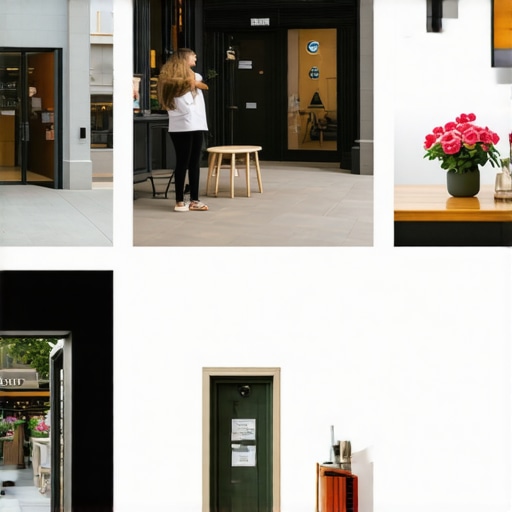 to add an authentic depiction of your interior environment—an inviting space can boost engagement and trust. Add images of your menu if you run a restaurant or products if you sell retail. Consistent, appealing visuals create a narrative that encourages potential customers to choose your business over competitors.
Leverage Visuals to Outperform Competitors
Observe top-ranking competitors’ photo profiles—what are they showcasing that you aren’t? Do they have more variety, better quality, or more recent pictures? Mimic their successful elements while maintaining your uniqueness. Moreover, organize your photos into albums like “Customer Testimonials,” “Event Highlights,” or “Special Offers” to provide a comprehensive view of your business. This layered approach not only attracts attention but also signals active management to Google, which can positively influence your local map rankings. Find effective strategies to outperform rivals at this resource.
Monitor Photo Engagement and Map Metrics
Regularly review how your photos perform through Google My Business insights. Look at views, clicks, and direction requests associated with your images. Improving photos based on these metrics helps you fine-tune your visual strategy. Use tools outlined at this link to understand your map presence better. Remember, each image is a micro-story that can trigger a customer action—whether visiting your site or walking through your doors—so optimize continuously.
Many businesses focus exclusively on keyword count, reviews, or even photo quantity believing these are the primary drivers for improving map presence. However, this common myth overlooks the nuanced factors that truly influence local rankings. Google’s algorithms are complex, constantly evolving, and prioritize user engagement signals—such as click-through rates, dwell time, and interaction metrics—that most local SEO strategies ignore or underestimate. In fact, focusing solely on superficial tactics, like stuffing keywords or uploading generic images, can backfire, causing your listing to appear less trustworthy or even penalized. An advanced technique involves analyzingmap SEO metrics to understand your visibility deeply, which can reveal hidden weaknesses in your strategy. For instance, metrics like user engagement and activity signals are strong indicators of local relevance, yet many overlook their importance. According to expert insights from this resource, fine-tuning these engagement signals can dramatically enhance your ranking potential.
So, what most people miss about the performance of their Google My Business? The answer lies in the subtle, often ignored signals that Google uses to evaluate relevance and authority. For example, frequent updates, user interactions, and local content quality can significantly influence your position. Instead of pouring effort into superficial optimizations, focus on a data-driven approach—monitor, measure, and adapt based on real map SEO metrics. This strategic shift ensures your efforts translate into actual visibility improvements, rather than just vanity metrics.
Have you ever fallen into this trap of overestimating superficial tactics? Let me know in the comments. To truly master your local map rankings, consider exploring our cornerstone content on How to Master Map Pack Visibility, which dives deep into creating a resilient, data-informed local SEO strategy that stands out in competitive markets.Staying ahead in local SEO requires reliable tools and disciplined routines. Personally, I swear by Google Sheets combined with automation scripts to track key metrics like map visibility and click-through rates. I use custom dashboards built with Google Data Studio to visualize trends over time, making complex data easily digestible and actionable. This setup helps me quickly identify drops in rankings or visibility and adjust strategies proactively. Additionally, I rely on dedicated project management platforms like Trello to schedule regular content updates and photo refreshes, ensuring my business profile stays active and engaging. As the local search landscape evolves, so do the tools—future trends point toward more AI-driven analytics that can predict ranking fluctuations before they occur, giving us a leg up.
How do I maintain my maps SEO health over time?
Regularly reviewing your map SEO metrics is crucial. I recommend a monthly audit using tools like Google’s My Business Insights alongside third-party analytics such as BrightLocal or Moz Local. These insights reveal user engagement levels, photo performance, and search queries that lead to your profile. Establish a routine to review these metrics, compare them against your goals, and adjust your content or engagement practices accordingly. Remember, consistency is key; just as with physical maintenance, digital assets need regular upkeep to perform optimally. For a comprehensive understanding of how to keep your map presence robust, check the detailed strategies outlined in [this in-depth guide](https://mappackvisibility.com/maps-seo-metrics-explained-measuring-improving-map-presence).
Invest in reliable, purpose-built tools and integrate them into your weekly workflow. This proactive approach ensures your map visibility remains resilient, your local rankings stay competitive, and you’re always prepared to scale as your business grows. Don’t forget to experiment with new analytics features as they roll out—early adoption can provide a competitive advantage. For example, leveraging upcoming AI insights, as forecasted in industry reports, will likely become essential for long-term success. Ready to elevate your map SEO game? Try setting up a custom dashboard today and watch your insights become your most potent asset.
What I Wish I Knew When I First Started Improving Map Visibility
One of the biggest lessons I learned early on was that relying solely on keywords and reviews isn’t enough. High-quality, authentic photos created a genuine connection with potential customers and significantly boosted my local rankings. Speeding up my photo update process, I discovered, kept my profile fresh and engaging, which Google favors. Investing in professional photography paid off more than I anticipated—images of my storefront and interior added credibility and appeal. Observing competitors’ visual strategies taught me that variety, quality, and consistency in photos are vital to standing out in the map pack.
My Essential Toolkit for elevating local map rankings
Tools like BrightLocal and Moz Local offered invaluable insights into my map SEO metrics, helping me measure what’s truly working. The ultimate game-changer was setting up a Google Data Studio dashboard—I could visualize trends, monitor engagement, and quickly pivot my strategy. Regularly reviewing these metrics revealed hidden opportunities and flaws I might have missed otherwise. Following the detailed strategies in this resource helped me craft a data-driven approach that resulted in consistent ranking gains.
Harnessing Emotional Drive to Stay Committed
Achieving top map rankings isn’t a one-and-done task; it requires ongoing effort and a willingness to adapt. I remind myself that behind every pin is a person searching for exactly what I offer. When I visualize the potential customers finding my business through optimized visuals and insights, it fuels my motivation. Remember, the journey to improved map presence is as much about persistence as it is about strategy. Dive in, measure diligently, and keep refining—your future customers are waiting. Want to jumpstart your local SEO game today? Start by evaluating your current map signals and commit to a regular visual and metric update. What’s been your biggest challenge in improving your map visibility? Let me know below.