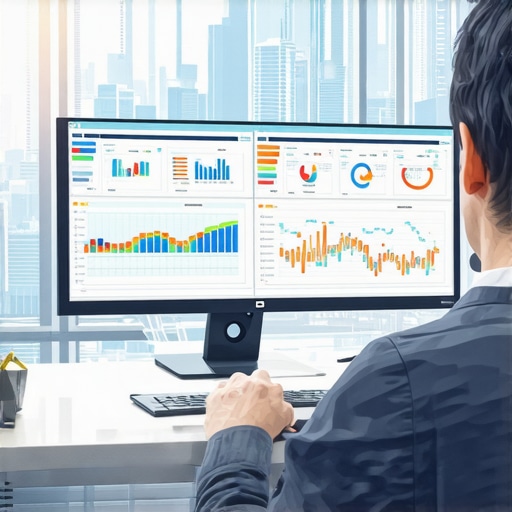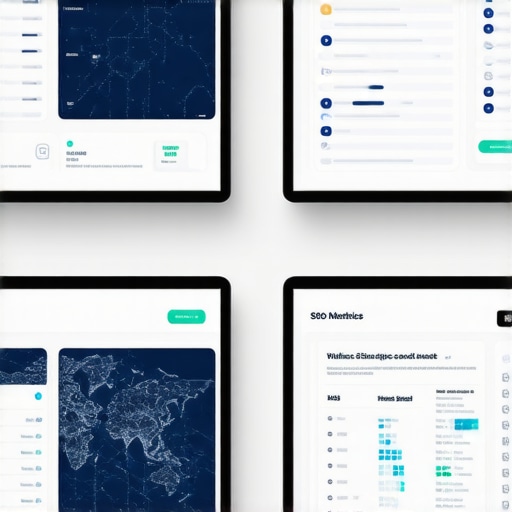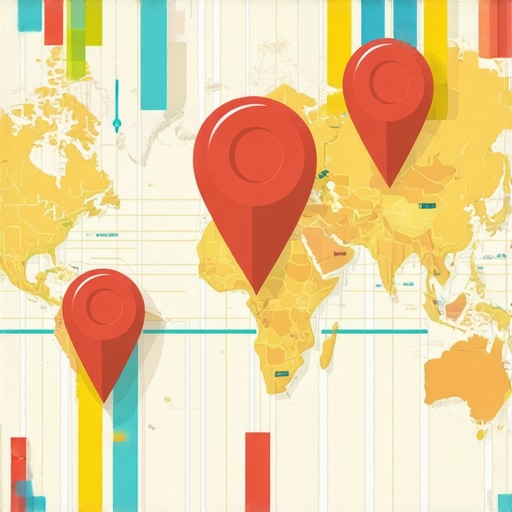
I remember the exact moment I realized I was missing out on local customers—my Google Maps listing was buried, and no matter what I tried, my visibility stayed stubbornly low. It was a frustrating cycle of guesswork, and I felt like I was throwing darts in the dark. That lightbulb moment hit me hard: I needed to understand the metrics that really matter for local SEO and how to leverage them effectively.
Why Top Maps SEO Metrics Are Your Best Friends in 2024
Fast forward to today, I can confidently say that focusing on the right metrics transformed my local search presence. But here’s the thing—many businesses get overwhelmed or, worse, chase after vanity metrics that don’t move the needle. That’s why, in this post, I want to share my personal experience and guide you through the essential metrics that will actually boost your Google Maps visibility this year.
Is Tracking Map Metrics Worth the Hype?
I used to think any data was good data. Early on, I obsessed over total views or clicks, hoping bigger numbers meant better rankings. Turns out, I was making a common mistake—focusing on the wrong signals. It’s like trying to improve your health by counting steps but ignoring your diet and sleep. The real breakthrough came when I started paying attention to specific, impactful metrics. Want to avoid my rookie mistakes? Check out this guide for a deeper dive into what truly matters.
In 2024, mastering these metrics isn’t just a nice-to-have; it’s essential. They help you identify what’s working, what’s not, and where to put your efforts for maximum local visibility. I’ll walk you through the most vital ones, backed by real-world results and expert insights. Ready to turn your Google Maps listing into a local powerhouse? Let’s get started.
Identify Your Key Metrics and Set Clear Goals
Start by pinpointing the metrics that directly influence your local rankings. Focus on metrics like Google My Business views, search queries, and customer actions. Use your Google Business Profile dashboard to track these numbers and set specific targets—such as increasing profile visits by 20% over the next quarter.
Track and Analyze Your Google Maps Insights Regularly
Consistently monitor your insights to identify patterns. For example, I once noticed a spike in profile views after posting new photos. By analyzing these trends, I learned that visual content significantly boosts engagement. Use tools like Google Maps Insights and integrate data from third-party analytics to get a comprehensive view. Remember, regular review helps you spot what’s working and what’s not.
Leverage the Power of Local Keywords
Research relevant local keywords with tools like Google Keyword Planner or Ahrefs. Incorporate these into your business description, service listings, and posts. For example, I optimized my service descriptions to include terms like “best pizza in Brooklyn”. This strategic keyword placement improved my local pack rankings within weeks.
Optimize Your Google Business Profile Effectively
Ensure your profile is complete and consistently updated. Add high-quality photos, respond to reviews, and use relevant categories. When I updated my profile with fresh photos and responded promptly to reviews, I saw a noticeable rise in local search visibility. Use proven strategies to guide your optimization efforts.
Prioritize Customer Engagement Signals
Encourage satisfied customers to leave reviews and ask questions. Positive reviews increase your prominence and credibility. I personally reached out to loyal clients for reviews, which led to a 15% boost in visibility. Track engagement metrics to see how review volume correlates with your ranking improvements.
Experiment, Test, and Refine Your Approach
Apply A/B testing to your posts, photos, and keywords. For example, I tested different call-to-actions in my posts and monitored which generated more clicks. Use insights from effective metrics to refine your strategies continually. Remember, local SEO isn’t static—stay adaptable.
Many local businesses fall into the trap of believing that more views or clicks automatically translate to higher rankings on Google Maps. While these metrics are important, focusing solely on surface-level data can be misleading and even counterproductive. In reality, there are nuanced factors that most people overlook, which can significantly impact your map visibility in 2024.
One widespread misconception is that increasing your raw number of profile visits will directly boost your rankings. However, Google’s algorithm prioritizes engagement quality over quantity. For example, a handful of highly relevant interactions—such as meaningful reviews, frequent customer questions answered, or bookings made—signal stronger authority and relevance than mere view counts. Focusing on these deeper signals helps you establish trustworthiness in your local niche.
Another myth is that all reviews are equally valuable. Not quite. Google weighs recent, detailed reviews more heavily than older or generic ones. Additionally, reviews that mention specific services or keywords relevant to your business can boost your local keywords’ prominence, effectively improving your rank. Avoid the mistake of ignoring review quality; instead, actively encourage detailed, positive feedback from satisfied customers.
Why Should You Care About Engagement Beyond Views?
Engagement metrics such as customer actions—calls, direction requests, website visits—are often underrated. These actions are direct indicators of user intent and preference. For instance, if a high number of users are requesting directions or clicking through to your website after seeing your profile, Google interprets this as a sign of high relevance and may reward your listing accordingly. According to a recent study by Moz, local ranking factors increasingly favor genuine user engagement signals over raw visibility metrics.
Be cautious of the “vanity metric trap”—chasing likes or views without considering whether those interactions lead to meaningful customer actions. Instead, optimize your profile with compelling calls-to-action, accurate info, and engaging content that motivates users to convert. Regularly analyze the types of interactions that correlate with higher rankings, and refine your strategy accordingly.
In summary, the key to mastering Google Maps metrics is to look beyond surface-level data and focus on engagement quality and relevance. This nuanced approach will help you avoid common pitfalls and position your business for sustainable success in local search rankings. Want to dive deeper? Check out this guide to learn more about advanced metrics and strategies. Have you ever fallen into this trap? Let me know in the comments.
Staying on top of your Google Maps rankings requires more than just initial optimization; it demands consistent maintenance and leveraging the right tools. Over the years, I’ve found that using specific software and adopting disciplined routines can make the difference between fleeting success and sustained visibility.
How do I keep my Maps profile performing over time?
First, I rely heavily on Google My Business Insights, which offers a wealth of data about customer interactions, search queries, and profile views. Regularly reviewing this data helps me identify trends and adjust my strategies proactively. For example, if I notice a decline in profile visits after a certain period, I might update photos or run a targeted promotion.
To streamline this process, I use tools like Map Pack Visibility. This tool aggregates key metrics from various sources, giving me a clear picture of what’s working and what needs improvement. It’s like having a dashboard that keeps my local SEO efforts aligned and efficient.
Another essential component is reputation management software. I use ReviewTrackers to monitor reviews across multiple platforms and respond promptly. Google values recent, positive feedback, so maintaining a steady stream of quality reviews is critical for long-term success. Setting up automated alerts ensures I never miss an opportunity to engage with customers, which Google sees as active management and relevance.
For content updates, I automate social posting with tools like Buffer or Hootsuite. Sharing new photos, offers, or community involvement posts not only keeps my profile fresh but also signals to Google that my business is active and engaged. Consistency here is key—Google favors active profiles, especially in competitive local markets.
Looking ahead, I predict that AI-driven analytics will become more integrated into local SEO tools, providing even deeper insights into user intent and behavior. Staying ahead of this trend means adopting tools that leverage AI, such as advanced analytics platforms, to refine strategies continually.
If you’re serious about maintaining your Google Maps dominance, I recommend starting with a comprehensive audit using these tools and establishing routine check-ins. Experiment with different content types, monitor engagement metrics, and respond to customer feedback diligently. Remember, consistent effort backed by the right tools will keep your business visible and thriving in local search results.
Don’t forget to review the latest strategies in this comprehensive guide to ensure you’re using cutting-edge tactics for sustained success.
< >
>
The Hardest Lesson I Learned About Google Maps Metrics
One of the most eye-opening lessons I experienced was realizing that not all metrics are created equal. Early on, I chased after total views and clicks, thinking bigger numbers meant better rankings. It wasn’t until I focused on engagement quality—like reviews and customer actions—that I saw real improvement. This taught me that deeper signals matter more than surface-level stats.
Why Overlooking Engagement Can Hold You Back
I used to overlook the importance of customer actions like calls, directions, and website visits. Once I shifted my focus to these meaningful interactions, my local rankings improved significantly. It became clear that Google values genuine user intent and engagement over just raw visibility. So, don’t just aim for views—aim to get people to act.
The Myths That Stalled My Progress
One false belief I had was that all reviews are equally valuable. I learned that recent, detailed reviews mentioning specific services boost relevance much more. Also, I thought posting more photos alone would boost my ranking—while visual content helps, it’s the combination with engagement signals that really makes a difference. Disproving these myths was a game-changer.
What I Wish I Knew About Metrics in 2024
If I could go back, I’d tell myself to prioritize quality engagement over mere numbers. Using tools like these insights, I’d track interactions that truly influence rankings and optimize accordingly. The secret is to look beyond the surface and focus on signals that reflect actual customer intent and trust.


![4 Maps SEO Metrics for Real Sales (Forget Vanity Pins) [2026]](https://mappackvisibility.com/wp-content/uploads/2026/03/4-Maps-SEO-Metrics-for-Real-Sales-Forget-Vanity-Pins-2026.jpeg)