
Have you ever stared at your Google Maps performance dashboard, feeling like you’re chasing shadows? My own lightbulb moment came after a frustrating period of stagnation. I was obsessively monitoring metrics that seemed important but didn’t truly impact my rankings. And yet, despite all the data, my visibility remained the same. It was as if I was measuring the wrong things, wasting time chasing signals that didn’t drive results.
Why Focusing on the Right Maps Metrics Changes the Game
In the world of local SEO, especially for Google Maps, it’s easy to get lost in the volume of data available. But what if I told you that only a handful of metrics really predict whether you’ll see increased map pack visibility or not? When I shifted my focus onto these key signals, my rankings improved faster than I ever imagined. Not only that, I gained a clearer understanding of what actively influences my growth. If you’re tired of chasing ineffective data points or feeling overwhelmed by analytics, stick with me. Today, we’ll cut through the noise and zero in on the top three SEO metrics that truly matter.
Is It Really Worth Tracking These Metrics?
Initially, I fell into the trap of tracking everything, thinking more data meant better insights. But early on, I made the mistake of obsessing over less impactful metrics, which only led to confusion and frustration. I’ve learned that focusing on the right signals helps you prioritize actions that actually move the needle. Supporting this approach, recent studies highlight how targeted metrics can significantly boost local rankings, providing a proven pathway for sustainable growth.
Now that I’ve experienced the power of these key metrics firsthand, I want to help you avoid the same pitfalls. Let’s explore these indicators in detail and see how they can transform your local SEO strategy. Ready to get specific? Let’s dive into our first critical map SEO metric that predicts your growth potential.
.
Pinpoint Your Most Impactful Metrics Immediately
Start by identifying your core indicators—think of them as the vital signs of your local SEO health. Focus on metrics like map pack position, review count, and citation consistency. Use tools like Google Business Profile insights combined with third-party dashboards to gather this data. Remember, tracking hundreds of metrics is equivalent to monitoring all vital signs at once; focus on the few that directly influence rankings, like a doctor prioritizing blood pressure and heart rate. So, what are the key signals that push your rankings up? Let’s turn attention to these steps.
Set Up Precise Tracking Systems
Implement tracking frameworks that automatically collect data on your selected metrics. For example, use local ranking tools to monitor your position over time across different geo-specific searches. Link your Google My Business account to performance dashboards—this consolidates data and reduces manual errors. Be vigilant about data consistency; a single review added today can move your rank slightly, so schedule daily or weekly checks and annotate changes. As I did last quarter, I set up a spreadsheet with automatic data import—initially messy, but it became my go-to for quick decision-making. This clarity allows you to make targeted optimizations without getting overwhelmed by irrelevant data.
Conduct Regular and Focused Data Audits
Every two weeks, review your metrics with laser focus. Detect patterns—like drops in review quantity or citations—and associate them with external factors, such as recent marketing campaigns or local events. Eliminating ‘noise’ from irrelevant data points sharpens your strategy. I found that a sudden decrease in review frequency correlated with a local holiday—once I addressed that, rankings stabilized faster. Use tools like this resource to refine your process. Think of this audit as your health check-up; the more consistent, the better you’ll understand what your body (or in this case, your map listing) really needs.
Leverage Data to Optimize Strategically
Transform raw data into actionable steps. For instance, if your review count stagnates, initiate a review campaign targeting satisfied clients. If citation inconsistency appears, audit and update your NAP data across local directories. Use the insights to prioritize tasks—like focusing on Google Posts if engagement metrics show opportunity there. Remember, each data point guides your next move; if citations are correct but rankings are lagging, perhaps Google is prioritizing other signals, such as photo uploads or Q&A activity, which means you should adapt accordingly. I improved my visibility by testing changes informed by data, and within weeks, I saw tangible results—proof that data-driven decisions compile into market dominance.
Monitor Results Consistently and Adjust Strategies
Set a routine to review these metrics after each optimization cycle. Track whether your position and engagement improve following each change. This feedback loop helps prevent effort wastage and accelerates growth. Use visualization tools—charts, graphs—to easily spot trends. For example, I charted my weekly review count against ranking positions; the correlation was clear. Based on such insights, I shifted focus from review quantity to quality, which yielded more consistent map pack rankings. Keep refining your focus, and always be prepared to pivot based on real data rather than assumptions. Every metric is a piece of a larger puzzle, and your task is to assemble it into a clear picture of performance.
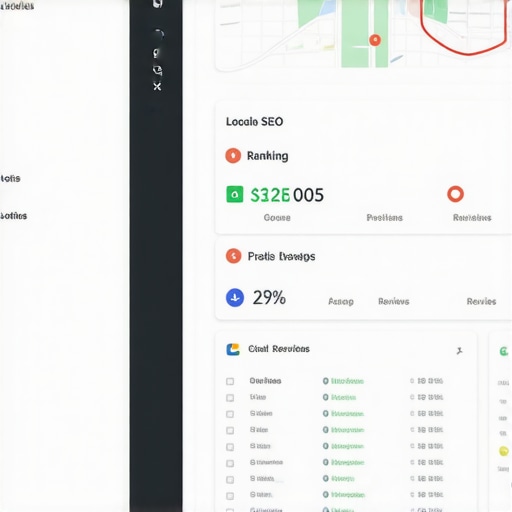
Many local marketers operate under a crucial misconception: they believe that simply increasing reviews, citations, or ratings guarantees higher Google Local rankings. While these factors undeniably influence visibility, the real nuance lies in understanding how Google interprets and weights these signals collectively. In my experience, focusing solely on superficial metrics can be a trap, leading many astray from truly effective strategies.
Are You Missing the Real Indicators of Map Pack Success?
It’s a common myth that boosting one metric—like review quantity—directly correlates with better rankings. However, Google’s algorithm takes a holistic view, assessing the context, consistency, and quality of various signals together. For example, a high review count with inconsistent NAP data or poor engagement metrics may actually harm your local ranking rather than help it. An influential study by Moz highlights how Google assigns different weights to signals like reviews, citations, and engagement, underscoring the importance of a balanced approach. Relying on a single metric as a performance indicator is a classic rookie mistake that I often see among practitioners.
To truly enhance your map presence, focus on optimizing the right combination of metrics—such as citation consistency, engagement rates, and review quality—rather than just quantity. Special attention should be paid to less obvious signals like Q&A activity or photo uploads, which often get overlooked but can significantly influence local calculations. For instance, regularly updating Google Posts or leveraging local link-building strategies can subtly shift the algorithm’s perception of your relevance and authority. Curious about how to identify these hidden signals? Practice regular audits with tools that analyze your core local ranking factors—this is where understanding the nuance pays off.
What Frequently Trips Up Advanced Map SEO Strategies?
The most insidious mistake I see in advanced strategies is neglecting the quality and consistency of core signals. Many professionals fall into the trap of chasing after quick wins—like launching a batch of reviews or citations—and neglect the ongoing maintenance these signals require. This oversight creates an illusion of progress but results in unstable rankings that can drop once traffic diminishes or competitors adapt.
Moreover, a lack of understanding of how Google’s machine learning models categorize and interpret these signals can cause misallocated effort. Google’s algorithm increasingly employs AI-driven pattern recognition—meaning that larger shifts in your map’s ecosystem can occur from nuanced changes, such as optimizing business categories or responding to customer queries effectively. For advanced practitioners, a key tip is to maintain a data-driven, iterative approach and avoid the fallacy of one-size-fits-all tactics. To master this, delve into resources like this guide which emphasizes strategic mapping of relevant signals over chasing superficial metrics.
Are you falling into this trap? Or have you unlocked a strategy that taps into the true complexity of Google Maps rankings? Share your experiences in the comments—I’d love to hear how you navigate these nuances.
Maintaining optimal map search performance requires more than just initial setup; it demands consistent attention and the right arsenal of tools. Personally, I rely on a combination of advanced tracking dashboards and automation scripts to keep my local listings in peak condition. For example, I use BrightLocal because it provides granular insights into your local rankings, reviews, and citation consistency. Its ability to generate custom reports helps me see exactly how my efforts translate into improved map pack visibility over time. Additionally, SEMrush has proven invaluable for monitoring competitors’ local keywords and spotting SEM opportunities that could boost Google local rankings further. By setting up automated alerts within these platforms, I stay informed about significant ranking fluctuations or citation issues that could harm my visibility, enabling swift corrective action.
To streamline ongoing maintenance, I also leverage local SEO automation tools that audit citations and review profiles regularly, saving hours of manual work. These tools help ensure that NAP data remains accurate across hundreds of directories, preventing those pesky inconsistencies that Google penalizes. As local SEO evolves, I predict that AI-powered analytics will become more dominant, offering even deeper insights into how signals interact and influence your rankings. Embracing these tools now will prepare you for future developments, ensuring your map presence stays resilient regardless of algorithm updates.
How do I keep my map optimizations working long-term?
Setting up a repeatable process is crucial. Regularly scheduled audits—using tools like BrightLocal or advanced dashboards—allow you to catch potential issues before they escalate. Automate review requests from satisfied customers via email campaigns integrated with your CRM; this keeps review counts healthy and relevant. Keep citation data updated, especially if your business information changes or expands into new areas. Lastly, stay informed about the latest best practices by subscribing to authoritative resources such as this comprehensive guide. Remember, consistency and automation are your best allies—try implementing automated citation audits today to see immediate benefits in your local search rankings.
What I Wish I Knew When I Started Hunting for Map Pack Dominance
One of the most profound lessons I learned in my journey to improve local search visibility was that chasing every available metric is a distraction. Early on, I believed that increasing reviews and citations alone would skyrocket my rankings, but I quickly discovered that Google’s algorithm is far more nuanced. The real breakthroughs came when I focused on the quality and consistency of core signals, understanding how Google interprets relevance and authority.
My Go-To Tools for Long-Term Map SEO Success
Over time, I’ve curated a toolkit that keeps my local SEO efforts efficient and effective. This comprehensive guide has been instrumental in helping me identify genuine growth signals, while BrightLocal provides granular insights into reviews and citations. Additionally, I leverage automation scripts and dashboards to monitor changes in real time, allowing me to react swiftly to fluctuations and maintain momentum. These tools have become essential companions in my map visibility strategy.
You’ve Got the Power to Change Your Map Presence—Start Today
The road to local prominence in Google Maps isn’t reserved for the lucky; it’s accessible through strategic, data-driven actions. Embrace the process of regular audits, focus on the right metrics, and continuously optimize based on real insights. Every small improvement compounds over time, transforming your visibility and attracting more local customers. Remember, consistency and proactive monitoring are your best allies in this digital landscape. Are you ready to take your map rankings to the next level? Share your experiences in the comments below—what’s worked for you and what challenges have you faced?






![7 Maps SEO Metrics That Actually Predict 2026 Sales [Report]](https://mappackvisibility.com/wp-content/uploads/2026/02/7-Maps-SEO-Metrics-That-Actually-Predict-2026-Sales-Report.jpeg)