There was a moment last summer when I looked at my Google Maps listing and realized I was invisible. No matter how much I tried to optimize, my business just wouldn’t show up where it mattered most — in that coveted local pack. Frustration? Absolutely. But that lightbulb moment spurred me to dig deeper. I discovered that improving local search performance isn’t about luck; it’s about strategic, proven tactics. And the good news? You don’t need to be a tech guru to get it right.
Why Google Maps Visibility Can Make or Break Your Business
Imagine this: a potential customer is searching for the service you offer. They see competitors in the map pack, but your listing is nowhere to be found. That means missed opportunities, lost revenue, and a constant struggle to stand out. In fact, local SEO experts have found that more than 60% of mobile searches lead to a business visit within a day (source: Mappack Visibility). It’s clear — if you want to thrive locally, you need to crack the Google Maps code.
When I first started, I overlooked critical aspects like consistency in my NAP (Name, Address, Phone number) and neglecting reviews. That was a mistake I paid for, and I want to help you avoid the same pitfalls. Improving your map rankings isn’t magic; it’s measurable, actionable, and entirely doable with the right approach.
Is All the Hype About Map Pack Optimization Actually Worth It?
I admit, I used to dismiss some strategies as mere noise. Early on, I believed that simply having a Google My Business profile was enough. Turns out, I was making the same mistake many beginners do — underestimating the power of ongoing optimization and metrics tracking. Today, I know that consistent effort can push your listing from obscurity to prominence.
If you’ve felt like your efforts aren’t translating into visibility, you’re not alone. But here’s a truth I learned the hard way: without a clear strategy based on real data and proven tactics, you’re often just throwing darts in the dark. That’s why I’m excited to share what I’ve learned — so you can get results faster and more reliably.
Ready to dive into the practical steps? Let’s explore how to turn your Google Maps presence into a powerful asset for your business.
Start with Consistent NAP Data
Think of your Name, Address, and Phone number (NAP) as the foundation of a building. A messy or inconsistent NAP is like shaky ground — it erodes your map ranking over time. I once updated my business address last minute, forgetting to update it everywhere online. As a result, my ranking plummeted for weeks. To prevent this, audit your NAP across all listings and local directories and keep it uniform. For a detailed checklist, visit this guide.
Optimize Your Google My Business Profile
Your GMB profile is your front door. Fill out every field: categories, business hours, services, and attributes. Upload high-quality photos showing your offerings and atmosphere. I remember uploading a photo of my team during a busy day, which surprisingly boosted engagement — leading to better rankings. Use descriptive, keyword-rich descriptions that naturally incorporate your services. For more tips, check this resource.
Add Visuals That Matter
#IMAGE_PLACEHOLDER_B#
Gather Reviews and Manage Your Reputation
Reviews signal trustworthiness to Google. I reached out to satisfied clients post-service, encouraging honest reviews. Early on, I ignored reviews altogether, which hurt my visibility. Aim for at least 10-20 genuine reviews per month, responding to each to foster engagement. Remember, reviews with keywords can boost your local SEO. Learn how to leverage reviews effectively at this link.
Acquire Relevant Backlinks
Think of backlinks as votes of confidence. Reach out to local blogs, suppliers, or community organizations to get backlinks pointing to your site. I personally sponsored a local event, resulting in a backlink that spiked my visibility. Focus on quality, regional backlinks rather than mass link-building, which can harm your reputation. For a proven outreach strategy, visit this article.
Manage Local Listings and Citations
Ensure your business info is accurate everywhere — Yelp, Bing Places, industry directories. Discrepancies confuse Google and hurt your ranking. I spent an afternoon updating all profiles, which resulted in noticeable improvement. Use tools like maps SEO metrics to monitor citation consistency and impact.
Use Local Keywords Strategically
Incorporate city names, neighborhoods, and local landmarks into your website content and metadata. I added a dedicated page targeting
Many local businesses believe that ranking higher on Google Maps is simply about having a complete profile or acquiring a few reviews. While these are important, they represent only the tip of the iceberg. A prevalent myth is that optimizing for local keywords alone will automatically boost your visibility. In reality, Google Maps rankings depend on a complex interplay of factors, including user engagement, backlinks, and even the consistency of your citation data. Relying solely on keyword stuffing is not only ineffective but can also attract penalties, undermining your efforts.
Another misconception is that once you optimize your profile, rankings will improve overnight. However, local SEO is a marathon, not a sprint. It requires ongoing analysis, adaptation, and patience. Fake review generation or aggressive link schemes might seem tempting but are dangerous traps—Google’s algorithms are sophisticated at detecting manipulative tactics. Engaging in such practices can lead to suspension or long-term damage to your online reputation. Instead, focus on genuine engagement and strategic refinement, as outlined in this guide.
Why Do So Many Overlook Search Intent in Local Rankings?
One advanced mistake I see frequently is neglecting the nuanced search intent behind local queries. For example, someone searching for “best coffee shop near me” may prioritize ratings and reviews, while a search for “coffee shop open now” emphasizes hours. Understanding these subtle differences allows you to tailor your optimization—such as adding relevant keywords and updating operating hours—thereby aligning your profile with user expectations and improving your ranking potential. According to Moz’s local search study, aligning with search intent can significantly influence visibility and engagement, thus affecting your position in the map pack over time. Have you ever fallen into this trap? Let me know in the comments.
Finally, many overlook the importance of local mapping nuances like proximity and device type. For instance, Google considers your distance from the searcher as a primary ranking factor—so a location close to the user has an advantage. With 74% of local mobile searches leading to a store visit within a day (source), optimizing for proximity, along with mobile-friendly profiles, becomes vital. The picture isn’t as simple as “rank better,” but understanding these distinctions can be the game-changer you need.
Stay Ahead with Smart Maintenance
Maintaining your Google Maps presence isn’t a set-it-and-forget-it task. It requires ongoing attention, data monitoring, and adaptation. One of the most reliable methods I use involves combining local SEO tools with manual audits to keep your listing performing at its peak. Regularly reviewing your metrics helps identify fluctuations early, allowing you to respond swiftly before rankings slip. Continuous maintenance ensures that your efforts translate into sustained visibility and long-term growth.
Tools I Recommend for Consistent Performance
For effective management, I rely on BrightLocal. It’s a comprehensive local SEO platform that offers citation tracking, review management, and rank tracking — all crucial for map pack visibility. I personally use BrightLocal’s citation tracker to monitor inconsistencies across directories, ensuring my NAP data stays uniform. Its review monitoring feature helps me maintain a steady flow of authentic customer feedback, which Google increasingly values. Additionally, Google Search Console is invaluable for tracking search performance metrics specific to your website, providing insights into geographic queries and device-specific behavior, aiding in fine-tuning your local SEO strategy.
Beyond tools, I incorporate monthly manual audits, cross-referencing my listings on platforms like Yelp and Bing Places. This helps catch discrepancies that automated tools might miss. Relying solely on software isn’t enough; being proactive and hands-on guarantees your map presence remains robust. Monitoring your maps SEO metrics allows you to measure the effectiveness of your ongoing efforts and spot areas needing adjustment.
Predicting Future Trends for Map Management
The future of local SEO points towards greater integration of AI-driven insights and hyper-local targeting. As search algorithms become more sophisticated, leveraging automation tools with predictive analytics will be essential. Staying updated with the latest developments ensures you adapt strategies promptly, maintaining your competitive edge. I recommend experimenting with local ranking prediction tools, which can provide foresight into your visibility trends, helping you allocate resources more effectively.
How do I keep my Google Map rankings stable over time?
Consistent engagement through review solicitation, citation management, and data accuracy is key. Set up automated alerts for ranking fluctuations, and schedule routine audits to verify all listings are correct and active. Consider integrating tools like maps SEO metrics to quantify progress monthly. Remember, the landscape is ever-changing, so ongoing optimization is your best defense against ranking declines. Try implementing automated review requests via platforms like BrightLocal to safeguard your reputation and boost rankings seamlessly. To explore more about maintaining long-term success, visit our contact page and start refining your map strategy today.
What I Wish I Knew When Starting to Crack the Map Pack
One of the hardest lessons I learned was that local SEO isn’t a quick fix—it’s a continuous process. I initially believed a single optimization would suffice, but real progress came only after months of consistent effort, tracking metrics, and refining strategies.
I also underestimated the power of genuine customer reviews. Responding to reviews and fostering community engagement became game changers for my rankings. It made me realize that local visibility is as much about relationships as it is about technical tweaks.
Finally, I discovered that staying ahead requires embracing technology—using tools like BrightLocal and Google Search Console not only saves time but uncovers opportunities I would have otherwise missed. These lessons transformed my approach and can do the same for you.
My Top Picks for Boosting Your Map Pack Visibility
For comprehensive management, I swear by BrightLocal. Its citation tracking and review monitoring are invaluable. To understand what’s happening behind the scenes, I recommend this resource on SEO metrics. And for strategic insights, exploring latest Google Maps ranking strategies has been a game changer.
Your Next Step Toward Local Success
Remember, enhancing your Google Maps presence isn’t just a one-time effort—it’s an investment in your business’s future. Stay curious, stay proactive, and keep learning from experiences—both successes and setbacks. The more you understand about your local SEO landscape, the better you’ll navigate it. If you’re ready to turn your map visibility into a powerful asset, dive into the resources mentioned and start refining your strategy today. How are you planning to elevate your local rankings this year? Share your thoughts below, and let’s grow together.
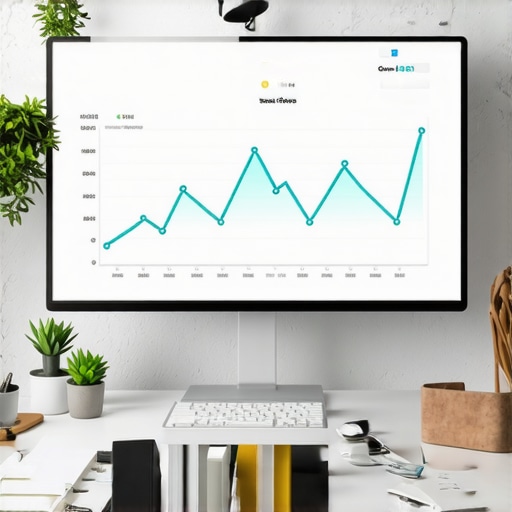

![Stop the Proximity Drop: 4 Google Local Rankings Hacks [2026]](https://mappackvisibility.com/wp-content/uploads/2026/04/Stop-the-Proximity-Drop-4-Google-Local-Rankings-Hacks-2026.jpeg)