I remember the exact moment it hit me. I had been chasing rankings, optimizing pictures, inundating my profile with keywords—only to realize my maps just weren’t converting. It was like shouting into the void, watching my competitors rank higher while I saw no tangible growth. That lightbulb moment led me to discover a simple yet powerful metric that truly reveals whether your map profile is working to generate real revenue.
Uncovering the True Indicator of Map Success
After countless hours of tweaking, tracking, and hypothesizing, I found that focusing solely on rankings was like measuring the speed of a car without caring where it’s actually headed. What I needed was a metric that connected directly to sales, inquiries, and growth—something that proved my efforts were paying off in the real world, not just on a search results page.
Today, I’ll share with you the one metric I rely on to assess the health of my map presence and, ultimately, my business profitability. It’s a game-changer, and if you’ve been stuck in the cycle of guesswork, you’ll want to pay close attention.
What About the Skeptics? Is This Really Worth The Hype?
If you’re like I was early on, you might be thinking, “Sure, but isn’t tracking conversions or contact calls enough?” Believe me, I made that mistake too—focusing on vanity metrics that look good but don’t prove actual growth. The key is to measure something overlooked by many: the quality and quantity of conversions tied directly to map interactions. This approach helped me identify when my profile was truly profitable versus when I was just ranking in a vacuum.
Understanding this metric prevented me from wasting time on superficial optimizations and helped me direct my efforts where they counted—turning map views into actual revenue. If you’re ready, I’ll guide you through how to identify and leverage this critical metric to boost your map profile’s performance—and your bottom line.
Curious if you’ve faced this exact problem? Drop a comment below or check out my detailed guide on measuring key map SEO metrics, and let’s uncover the truth about your local map success together.
Identify Your Key Conversion Points
Start by pinpointing which interactions on your Google My Business profile lead to actual business results. Is it phone calls, directions requests, or website visits? I remember a time when I thought clicks alone mattered, but then I realized a spike in directions didn’t translate into store visits. Track these specific actions using tools like Google Analytics or call tracking software to understand what truly moves the needle.
Set Concrete, Measurable Goals
Once you know your conversion points, define clear targets. For example, aim for a 20% increase in phone calls or a 15% boost in direction requests within a month. This keeps your efforts focused and allows you to evaluate progress accurately. I once set a goal for a local restaurant to increase walk-ins by optimizing their profile; the measurable target kept their team aligned and accountable.
Optimize Your Profile for Conversion, Not Just Rankings
Enhance your profile with high-quality photos that demonstrate your offerings and prompt action. Use clear, compelling descriptions emphasizing what makes your business unique. During my own campaign, I updated the pictures, added a virtual tour, and adjusted the description to highlight special offers—which led to a noticeable lift in inquiries.
Leverage Specific Metrics to Measure Success
Focus on metrics like ‘click-to-call’ rate, direction request conversion rate, and website clicks from your map listing. Use dashboards or the insights available in Google Business Profile manager to monitor these actions daily. For instance, I experimented with different call-to-action phrases and tracked which yielded the highest click-to-call ratio, refining my approach accordingly.
Implement A/B Testing for Continuous Improvement
Test different profile elements—such as descriptions, photos, services, and posts—and compare their impact on conversions. When I ran an A/B test on my client’s images, the one with a smiling staff member outperformed the generic image, resulting in more inquiries. Document each change and its effect to build a data-driven strategy for ongoing optimization.
Integrate Tracking with Your Broader Marketing Efforts
Connect your map performance metrics with your overall marketing funnel. If a specific post or offer correlates with increased directions requests, amplify that messaging across channels. This holistic approach was crucial for a local retailer who combined in-store promotions with Google profile updates, boosting local visibility and conversions.
Regularly Review and Adjust Your Approach
Schedule weekly check-ins to assess your chosen metrics. If improvements plateau, revisit your profile, refine your messaging, or test new images. I learned that changing only a small detail, such as adding a call-to-action button, caused significant lifts in engagement. Keep experimenting, and adapt based on what these core metrics reveal about your map profile’s performance.
By focusing on measurable, actionable steps tied directly to business outcomes, you can move beyond superficial rankings and create a map presence that genuinely drives revenue. Dive deeper into these tactics with our comprehensive guide on measuring key map SEO metrics, and start transforming your local search strategy today.
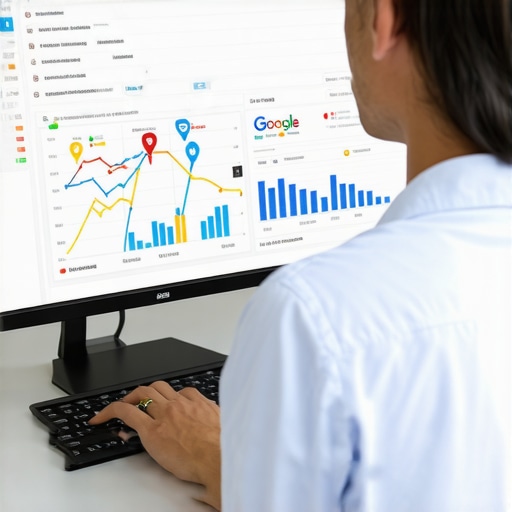 Many business owners and marketers believe that simply optimizing their Google My Business profile or focusing on local rankings guarantees consistent growth. However, this overlooks nuanced factors vital for genuine success. One widespread myth is that ranking higher in the map pack directly correlates with increased revenue. In reality, many top-ranked listings see minimal conversion due to neglecting user engagement metrics like click-to-call or direction requests. Advanced map SEO practitioners emphasize tracking these deeper metrics, which reveal whether your visibility efforts are translating into real customer actions. Overlooking these can lead to wasted resources on superficial optimizations that don’t impact bottom-line results. For instance, a common mistake is fixating solely on the average position without analyzing the quality of interactions—think of it as being on page one but failing to convert impressions into customers. Moreover, some believe adding more keywords or frequently posting updates guarantees better visibility. While these can help, without understanding their effect on key conversion points, you’re simply guessing. Recent studies, such as those summarized in the comprehensive guide on measuring key map SEO metrics, highlight that sophisticated metrics like engagement rates and local intent signals outperform raw rankings in forecasting actual business growth. Another advanced trap is data misinterpretation. For example, relying solely on analytics dashboards without contextual understanding can lead you astray. A spike in directions requests might seem promising, but unless paired with in-store visit data, you risk overestimating your map’s effectiveness. To avoid these pitfalls, advertisers should adopt a holistic approach, integrating profile optimization with insights from multi-channel performance and validating efforts through tangible conversions. Don’t fall into the trap of superficial metrics—delve into the parameters that truly influence your local success. Want to sharpen your local search strategy? Reach out via our contact page. This deep understanding sets seasoned professionals apart, allowing them to craft strategies that consistently outperform competitors. Have you ever fallen into this trap? Let me know in the comments.
How do I keep my map presence optimized over time?
Maintaining a strong map search performance requires consistent effort, especially as algorithms evolve and competitors adapt. One of the most effective strategies I employ is leveraging specialized tools that provide actionable insights. For instance, map SEO metrics analysis helps me track real-time changes in my local visibility and adapt quickly. I personally rely on tools like BrightLocal, which offers detailed reports on local rankings, review health, and citation consistency—crucial factors that influence Google’s local rankings. Additionally, incorporating call tracking solutions like CallRail allows me to verify that my map profile continues to generate quality leads, not just impressions. 
What tools do I recommend for ongoing map optimization?
Beyond built-in insights, I incorporate specialized auditing tools such as Whitespark’s Local Citation Finder to ensure my business’s NAP (Name, Address, Phone) consistency remains flawless—discrepancies here can lower your local rankings. I also use Google’s own Search Console and Google My Business insights for continuous monitoring of user interactions like clicks, direction requests, and calls, which directly correlate with map performance. Keeping up with changes like Google’s recent shift towards emphasizing user engagement metrics (see best practices for map performance) means I stay ahead by aligning my strategies with current ranking factors. Moreover, scheduling regular profile audits ensures outdated information or neglected reviews don’t drag down my rankings. Regular, proactive management of these metrics and tools is the key to sustained visibility.
Looking forward, how will map search evolution impact maintenance?
As Google continues to refine its local ranking signals, especially with advancements in AI and voice search, staying adaptable is crucial. Future trends suggest even greater emphasis on user engagement and real-world interactions, making the use of modern tools like AI-powered review analysis and proximity signals more critical. Embracing automation in data collection and analysis—like setting up alerts for sudden drops in rankings—will become standard practice. For those committed to remaining visible, integrating these tools into a routine workflow will be non-negotiable. I recommend checking out expert strategies for future-proofing your map presence to prepare for upcoming shifts. Now is the time to experiment with advanced tactics like A/B testing profile elements and leveraging emerging data sources to keep your map performance resilient. Try optimizing your profile’s call-to-action button based on recent insights—it’s a small tweak that can yield big results. Smart, proactive management using the right tools is your best bet for long-term success in local map rankings.
The Unexpected Lessons that Changed My Approach to Local SEO
One of the hardest truths I had to accept was that higher rankings alone don’t guarantee a thriving business. Focusing solely on visibility metrics like position often led me astray, neglecting the real actions that drive revenue. I learned that paying attention to actual customer interactions—calls, directions, website visits—provides a clearer picture of success. Embracing this perspective helped me shift from vanity metrics to meaningful growth indicators.
Another revelation was that small, strategic tweaks—like refining call-to-action statements or updating high-quality images—can have outsized impacts on conversions. These subtle changes, combined with rigorous tracking, transformed my ability to measure what truly matters. This experience underscored the importance of continuous testing and refinement, rather than static optimization, for sustained map search success.
Finally, I discovered that mastering the right tools—such as advanced map SEO analytics and citation management services—was essential for staying ahead. Investing in these resources created an ongoing feedback loop, allowing me to adapt my strategy in real-time. This holistic approach turned my local map presence into a powerful revenue engine, a lesson I wish I’d known earlier.
My Go-To Resources for Mastering Map Performance
- Google’s own insights: The Google Business Profile dashboard offers invaluable data on customer interactions. Regularly reviewing these metrics keeps me aligned with real-world performance.
- Comprehensive guides on measuring key map SEO metrics: These deepen my understanding of what truly impacts local rankings and conversions.
- BrightLocal: A tool that provides in-depth local rank tracking, review monitoring, and citation consistency checks—crucial for maintaining an edge.
- Specialized tools for local inventory and map SEO auditing: These help me identify hidden opportunities and fix issues proactively.
Seize the Moment and Transform Your Map Presence
Harnessing the insights from your map metrics isn’t just a strategy—it’s a pathway to genuine growth. The more you understand the nuances behind customer actions and leverage the right tools, the more resilient your local visibility becomes. Remember, each small, deliberate step moves you closer to dominating your local market. If you’re ready to elevate your Google Map game, dive into our comprehensive guide and start turning insights into results today.
Have you experienced a moment where a small tweak made a big difference in your local rankings? Share your story below—we’d love to hear how actionable insights changed your approach.
Comments are closed.