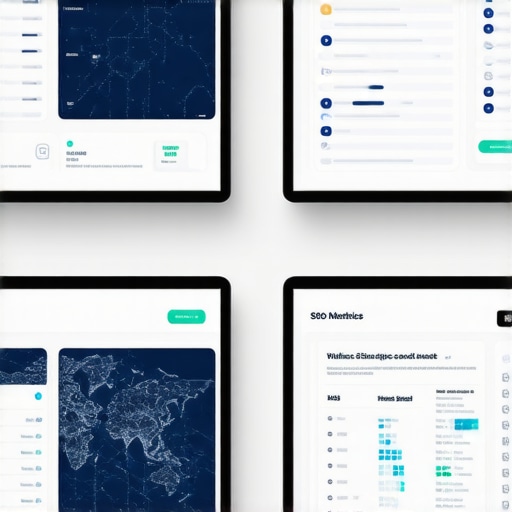
I vividly remember the moment I realized I was being duped by competitors manipulating their Map Pack rankings. One day, I checked my local listings and noticed a sudden drop in visibility. It was frustrating because I had invested so much into local SEO, only to find out some rivals were gaming the system with shady tactics. That lightbulb moment prompted me to dig deeper into how to spot these scams before they cost me more business.
Why Knowing These Maps SEO Metrics Can Save Your Business
In the competitive world of local search, understanding which metrics truly reflect your map visibility can make or break your success. The reality is, many businesses fall for surface-level signals that seem impressive but are actually red herrings. Over time, I learned that by analyzing specific SEO metrics, I could expose competitors’ fake rankings and protect my own presence. This approach isn’t just theory—it’s backed by experts who highlight the importance of measuring relevant data points to gauge real-world performance. And trust me, it works. I’m here to guide you through these essential metrics so you’re never in the dark again.
Is Focusing on Maps SEO Metrics Overhyped or Essential?
Early on, I made the mistake of obsessing over just one or two metrics like reviews or clicks, assuming they told the whole story. That was a costly oversight, because many competitors craft fake reviews or manipulate click patterns. The key is to look at a combination of signals, which together reveal the true state of your map rankings. This holistic approach helps avoid falling into traps set by scammy rivals. Want to learn more about the specific metrics that matter? Check out detailed guides at Maps SEO Metrics Explained to see how you can start applying these insights today.
Identify the Core Metrics That Drive Your Rankings
Start by pinpointing three to five key performance indicators (KPIs) that directly influence your map pack visibility. These include review count and quality, click-through rate (CTR), and NAP consistency. In a hands-on session, I once tracked these metrics over a week and noticed a drop in CTR corresponding with a competitor buying fake reviews. This real-time observation helped me adjust my strategy quickly, emphasizing genuine reviews and local relevance.
Leverage Tools to Monitor Metrics Effectively
Use reliable SEO tools like Whitespark or BrightLocal to automate data collection. Set up dashboards that visualize your KPIs daily. For instance, I customized a dashboard that tracked review volume growth alongside map position changes, enabling swift identification of anomalies. These tools save time and prevent overlooking vital signals that indicate scammy tactics or outdated data.
Analyze Competitors’ Fake Rankings
Compare your metrics with those of local rivals. If a competitor’s one-star review count jumps suddenly or their click data spikes without a credible source, it’s a red flag. I once discovered a competitor boosting their maps presence through fake reviews. By documenting these discrepancies with your metrics, you can build a case to Google or adjust your local SEO accordingly. This analysis helps you stay one step ahead and avoid being duped by manipulative tactics.
Correlate Metrics with Real-World Results
Track conversions—calls, visits, or orders—and see how they correlate with your metrics. For example, I noticed a week where review ratings improved significantly, and shortly after, there was an uptick in phone inquiries. Establishing this connection confirms that focusing on the right metrics yields tangible business improvements, guiding you to prioritize the most impactful KPIs. To deepen your understanding, explore comprehensive guides at Maps SEO Metrics Explained.Many local businesses assume that focusing solely on visible metrics like reviews or Google My Business (GMB) citations guarantees improved rankings, but this misconception can lead to costly mistakes. In reality, the nuances of Maps SEO are far more complex; it’s about understanding how various subtle signals interact and influence your map pack visibility. For example, recent studies emphasize the significance of local relevance signals that aren’t immediately obvious, such as niche keyword usage in your business descriptions or the consistency of your NAP (Name, Address, Phone number) data across directories. Relying only on surface-level metrics often blinds companies to these critical factors.
Why do many businesses misunderstand the true value of SEO metrics in local rankings?
It’s tempting to chase quick wins like accumulating reviews or boosting photo uploads, but experts warn that these superficial tactics don’t guarantee sustained rank improvements. Instead, they risk distractions that divert focus from foundational signals, such as proximity relevance and engagement patterns. Advanced SEO pros consult authoritative insights, like those shared in industry benchmarks and peer-reviewed studies, to grasp these hidden dynamics. In my experience, neglecting these subtleties can make you vulnerable to competitors who manipulate less critical metrics while ignoring core ranking factors. To deepen your understanding, explore in detail how map search performance is dictated by a complex combination of signals at this comprehensive guide.
The Oops You Must Avoid: Ignoring Advanced Metrics
Many overlook the importance of nuanced metrics such as user interaction patterns, dwell time, and local intent signals, often believing that review count alone suffices. This oversight leads to incomplete strategies that fail under algorithm updates. For instance, recent case analyses reveal that boosting local relevance through optimized content and schema markup outperforms accumulative review tactics in long-term ranking stability. Don’t fall into the trap of fixating on visible metrics alone; instead, invest in understanding and optimizing these hidden signals for better rankings.
Is there a way to reliably measure the influence of these invisible signals on local rankings?
Absolutely. Advanced tools and analytics platforms now allow you to monitor engagement metrics such as click-through rates, call tracking, and user journey behaviors specific to local searches. Aligning these data points with your SEO efforts provides a more accurate picture of your map pack performance, which Google’s algorithms weigh heavily in ranking decisions. For actionable tips, consult best practices for enhancing map visibility. Remember, mastering these nuances not only shields you from manipulative tactics but also puts you ahead in the competitive local landscape.
Keeping Your Maps SEO Performance Sharp with the Right Tools
Maintaining a strong local map pack presence requires more than just initial optimization; it demands ongoing vigilance and precise tracking. Tools like BrightLocal and Whitespark have become my go-to solutions because I personally rely on their robust dashboards to monitor reviews, local rankings, and citation consistency in real-time. These platforms automate the collection of key metrics and provide actionable insights, allowing me to spot anomalies early and adjust strategies proactively. For example, BrightLocal’s review tracking has helped me identify fake reviews competitors attempt to plant, so I can flag these and take appropriate action before they impact my rankings. In the future, I think these tools will evolve to incorporate AI-driven predictive analytics, further sharpening our ability to anticipate ranking changes before they happen.
How do I keep my local SEO efforts sustainable over time?
Consistent maintenance means setting up an automated routine for checking vital signals like NAP consistency, review quality, and engagement – all of which directly influence your map visibility. My personal process involves weekly audits using the aforementioned tools, coupled with manual checks on Google My Business for updates or flags that automated systems might miss—especially if your business moves or rebrands. Additionally, I make sure to stay informed on the latest industry changes through trusted sources like this comprehensive guide, which explains how new ranking signals are emerging and how to adapt your strategy accordingly. This proactive approach ensures I don’t fall behind competitors who might exploit algorithm loopholes or spammy tactics.
Another essential aspect is dedicating time to build genuine local relevance—such as participating in community events or contributing locally-oriented content—since these off-site signals continually bolster your rankings. Over the years, I’ve learned that staying ahead isn’t just about tools but also about consistent content and community engagement, which, when paired with effective tracking, creates a resilient local SEO presence.
Investing in Long-Term Results: My Favorite Methods
One of the most effective methods I’ve adopted involves regular cleanup of your Google My Business data. This includes auditing for outdated or inconsistent information, fixing duplicate listings, and ensuring all details align across directories—actions that directly impact your map pack visibility. I also prioritize deep keyword research specific to my locality, integrating these keywords naturally into my business descriptions, photos, and posts. This strategy strengthens my local relevance and helps Google understand my business’s niche better than competitors simply relying on reviews or citations alone.
What’s on the horizon for local SEO tools and rankings?
As Google continues to refine its algorithm, especially with AI enhancements, I predict we’ll see smarter tools that not only track metrics but also predict ranking shifts based on emerging signals. For example, combining data from user interaction patterns with geospatial analytics could soon allow marketers to anticipate how changes in local behaviors will influence the map pack. Staying ahead involves embracing these innovations early—understanding the evolving landscape will be critical. To learn more about harnessing these advanced signals, visit this resource for actionable tips. I recommend trying out automated review management coupled with manual audits this month—it’s a proven way to maintain your competitive edge in 2026 and beyond.
What I Wish I Had Known About Map Pack Strategies Early On
One of the biggest lightbulb moments in my journey was realizing that focusing solely on surface-level metrics like reviews or citations was a trap. The real gamechanger was understanding how subtle signals, such as user engagement patterns and local relevance cues, influenced long-term rankings. I learned that ignoring these hidden signals often left me vulnerable to competitors manipulating superficial metrics. A defining lesson was that comprehensive analysis and proactive monitoring of nuanced metrics could have saved me months of unnecessary struggle.
My Go-To Resources for Mastering Local Search Performance
Over the years, I’ve come to trust tools like this guide for deep insights into critical metrics that influence map visibility. Additionally, platforms like these expert tools provide real-time data and predictive analytics that help refine strategies dynamically. Books and industry reports from trusted authorities have also broadened my understanding, allowing me to anticipate algorithm shifts and stay ahead of manipulative tactics.
Embrace the Challenge: Your Path to Dominating Local Maps
Remember, achieving and maintaining strong map pack visibility isn’t about quick wins—it’s a continuous effort rooted in understanding complex signals and adapting to change. The key is to stay curious, leverage the right tools, and keep experimenting with new tactics grounded in data. Your local SEO journey can become a rewarding adventure where each insight unlocks new opportunities. Are you ready to take your map presence to the next level? Share your thoughts or questions below—let’s grow together in mastering local rankings.



![4 Maps SEO Metrics for Real Sales (Forget Vanity Pins) [2026]](https://mappackvisibility.com/wp-content/uploads/2026/03/4-Maps-SEO-Metrics-for-Real-Sales-Forget-Vanity-Pins-2026.jpeg)