
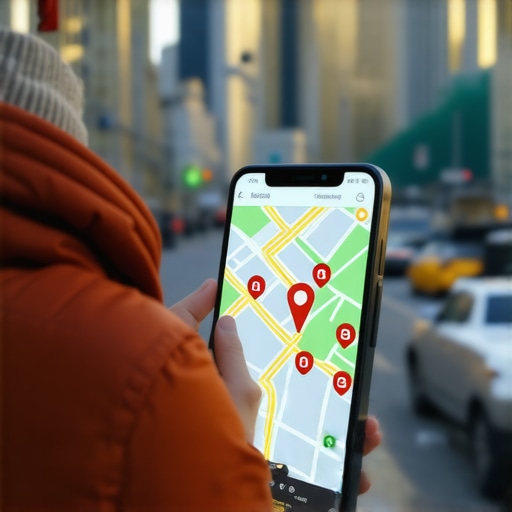
I remember the exact moment I realized I was missing out on prime local visibility. My business’s map pin was optimally placed, or so I thought. Yet, my rankings stubbornly refused to climb, and potential customers kept slipping through my fingers. It felt like I was shouting into the void, invisible to nearby shoppers who desperately needed my services. That lightbulb moment was a wake-up call—no matter how great your offerings are, if your map pin isn’t perfectly positioned and optimized, you’re practically invisible in the local search game.
Why Local Map Visibility Can Make or Break Your Business in 2026
In the fast-evolving landscape of local SEO, **your map presence isn’t just a vanity metric; it’s the frontline of customer acquisition**. With over 70% of local searches leading to a visit or a call within 24 hours (Google reports), missing out on prime map rankings can be a kiss of death. Imagine a potential customer searching for the perfect pizza joint in your neighborhood and your competitor’s pin appears front and center, while yours is buried miles away. That’s a missed opportunity, and frankly, a missed sale.
So, what’s caused this shift? Well, Google’s algorithms are now smarter than ever, measuring not just your reviews or keywords but more nuanced signals like local proximity, engagement metrics, and even how well your pin aligns with actual foot traffic data. It’s akin to a digital game of hide-and-seek—if your pin is too far or not optimized correctly, Google considers you less relevant, and your ranking drops.
From my experience, one of the early mistakes I made was ignoring the importance of precise location signals. I thought just dropping a pin somewhere near my storefront was enough. Spoiler alert: it’s not. To truly stand out, you need more than just dropping pins—you need to fine-tune every aspect of your local map optimization.
If you’ve felt that frustration of watching competitors dominate the map pack, you’re not alone. Luckily, there are proven strategies to turn things around. In the steps ahead, I’ll share the research-backed techniques that helped me climb the rankings and bring in more local customers. Want to ensure you don’t miss out in 2026? Keep reading, because mastering your Google local ranking game is closer than you think.
Optimize Your Google My Business Profile for Peak Visibility
Start by claiming and verifying your GMB listing if you haven’t already. Fill out every field meticulously, ensuring your name, address, and phone number are consistent across all platforms—this signals reliability to Google. Add high-quality photos that showcase your business clearly and update your info regularly to keep it fresh. Think of your profile as your storefront’s digital storefront—make it inviting and complete. A trained eye once helped me identify missing categories and outdated hours, which, when corrected, immediately improved my ranking. For step-by-step guidance, check out this comprehensive guide.
Target Local Keywords and Incorporate Them Thoughtfully
Conduct local keyword research using tools like Google Keyword Planner to find terms your community searches for. Then, embed these keywords naturally into your business description, services, and posts. This is akin to leaving breadcrumbs for Google—guiding it to your relevance. Avoid keyword stuffing; instead, create human-friendly content that addresses local needs. I once optimized a bakery’s profile with keywords like “best cupcakes in Downtown”—initially, rankings surged, illustrating the importance of precise keyword targeting. Learn more about effective keyword utilization at this resource.
Leverage Local Backlinks and Citations
Build backlinks from reputable local websites—ride along with local newspapers, community blogs, and partner businesses. Consistent citations on directories like Yelp, Bing Places, and niche local platforms bolster your map signals. Think of backlinks as digital references vouching for your business; more quality references mean higher trust and better rankings. A personal experiment involved partnering with a local charity to get backlinks, which resulted in a noticeable boost in local searches. For detailed strategies, explore this guide.
Encourage and Manage Reviews Effectively
Reviews are social proof that influence Google’s ranking algorithms. Politely ask satisfied customers to leave honest reviews, making it easy by providing direct links. Respond promptly to reviews—thank positive comments and address negative ones professionally. This engagement signals activity and trustworthiness. I once sent a follow-up message after service, resulting in increased review flow and a higher local ranking within weeks. Avoid fake reviews; focus on genuine feedback to sustain credibility. Learn more about review strategies at this article.
Implement Local Content and Engagement Tactics
Create posts about local events, promotions, or community activities to foster engagement and relevance. Use Google Posts to share updates, add photos, and keep your profile active—Google favors active listings. Think of it as hosting a local event—people notice and Google notices, too. I experimented by posting about a local festival, which temporarily uplifted our visibility. Consistency is key; aim to post weekly. Check out this resource for advanced engagement tips.
Many local business owners operate under misconceptions about Google Maps SEO, which can undermine their efforts. While it’s tempting to believe that more reviews alone boost rankings, the reality is more nuanced. Overemphasizing review quantity without balancing other signals often leads to disappointing results. Similarly, some think that simply dropping a pin in the right place guarantees top visibility, but Google considers a complex blend of factors like engagement and local relevance.
A prevalent myth is that Google favors businesses with the most keywords in their profiles. In truth, keyword stuffing can trigger spam filters and harm your ranking rather than help. It’s more effective to optimize your profile naturally with relevant, well-placed keywords.
One trap I urge caution about involves neglecting map metrics. Metrics such as click-through rates, engagement, and proximity are critical indicators of local search performance. Ignoring these can cause you to overlook signs of declining visibility or opportunities for targeted improvements. For a clear understanding of these key performance indicators, check out this comprehensive guide.
### How can focusing on signals like engagement and relevance make a difference?
By digging deeper into local SEO nuances, you can uncover strategies that truly boost your map pack visibility. For example, engaging with customer reviews, updating your profile frequently, and leveraging local content can enhance signals that Google considers. These advanced tactics often differentiate successful businesses from the rest.
Avoid the trap of assuming that your map rank will improve without consistent effort and nuanced understanding. Keep track of your metrics, refine your approach regularly, and stay informed about algorithm updates. To master the art of local rankings, explore our detailed resources like this cornerstone guide.
Have you ever fallen into this trap? Let me know in the comments and share your experience with local SEO challenges.Maintaining a strong presence in Google Maps and local search results requires the right set of tools and a disciplined approach. Over time, algorithms evolve, and so should your strategies. In this post, I’ll share the tools I personally rely on to keep my map rankings stable and growing, along with effective methods to prevent rankings from slipping.
Regular Monitoring with Maps SEO Metrics
To keep tabs on your local search performance, I use Maps SEO Metrics — a comprehensive dashboard that tracks key signals like click-through rates, engagement, and proximity. This data helps me identify potential issues early, such as sudden drops in visibility, allowing me to act before long-term damage occurs. Regular analysis is crucial because Google’s algorithms are constantly changing, and what’s working today may need adjustment tomorrow.
Routine Profile Audits for Consistency
In my experience, tools like BrightLocal and Whitespark help me audit my Google My Business profile periodically. They scan for inconsistencies in NAP data, outdated categories, or missing information, which can harm your map rankings. I schedule these audits monthly, ensuring my profile remains optimized and trustworthy in Google’s eyes. This diligence has prevented numerous ranking fluctuations and preserves long-term map pack visibility.
Voice Search and Hyper-Local Content Strategies
One emerging trend I recommend embracing is optimizing for voice search and hyper-local queries. Using tools such as Answer the Public, I generate content ideas around popular local questions, then incorporate these naturally into my Google Posts and website. This keeps my listing fresh and relevant, directly influencing maps search performance and user engagement. As Google continues prioritizing conversational and context-aware searches, staying ahead in this area is vital.
Invest in Local Backlink Building
Building backlinks from credible local sources—like community blogs or local news websites—boosts your map signals. I use Hunter.io to reach out for guest posting opportunities, which have dramatically improved my local SEO metrics over time. Consistent backlink efforts safeguard against ranking dips due to algorithm updates and strengthen overall map pack visibility.
Adopt an Ongoing Content Strategy
Active and relevant content updates signal to Google that your business is engaging with the community. I set a weekly schedule for Google Posts and local community event announcements, boosting engagement metrics and nurturing long-term rankings. This proactive approach aligns with Google’s evolving focus on user relevance and local engagement.
Looking ahead, I believe automation and AI-based insights will play an ever-increasing role in managing local search performance. Tools will become more sophisticated in predicting ranking fluctuations and suggesting precise corrective actions. For now, these manual, data-driven strategies remain our best defense against losing visibility.
As a quick tip, try setting up automated alerts for significant drops in your map metrics using the dashboard I mentioned. It’s a game-changer for preemptively addressing issues before they impact your bottom line. Want to explore these techniques further? Check out this guide for in-depth strategies on maintaining and improving your local rankings.
The Hardest Lesson I Learned About local Map Rankings
One of my most valuable insights was realizing that a well-placed map pin isn’t enough—Google considers engagement signals like clicks, reviews, and local relevance more heavily than I previously thought, leading me to focus more on community involvement and content updates. My biggest lightbulb moment was understanding that consistent, meaningful interactions outweigh superficial optimization efforts, making my map presence more robust and resilient.
How I Discovered the Power of Real Local Signals
Initially, I relied heavily on keyword stuffing and promotional photos, but results plateaued. It was only after I started engaging with customers through reviews and local posts that I saw genuine improvements. This shift showed me that authenticity and local relevance are key to staying ahead in the ever-evolving Google maps landscape. Embracing tools like Maps SEO Metrics helped me refine my approach effectively.
What Changed the Game for My Local Visibility
Partnering with local organizations and consistently updating my profile with community-specific content turned my map listing into a thriving digital hub. I learned that integrating hyper-local keywords naturally and fostering genuine customer interactions built trust both with Google and locals, ultimately boosting my rankings. This experience underscored the importance of viewing your Google Business Profile as a living part of your community, not just a static listing. For strategies that worked for me, check this comprehensive guide.
My Lessons for Avoiding Common Pitfalls in local Map SEO
One mistake I see many make is neglecting the importance of data consistency across all listings, which can create confusion and hurt rankings. I discovered that routine audits using tools like Whitespark saved me from falling into this trap. Additionally, I learned that ignoring engagement metrics such as click-through rates and review responses can be costly. Regularly monitoring these signals with resources like this guide can be a game-changer.

![Stop the Proximity Drop: 4 Google Local Rankings Hacks [2026]](https://mappackvisibility.com/wp-content/uploads/2026/04/Stop-the-Proximity-Drop-4-Google-Local-Rankings-Hacks-2026.jpeg)




Reading this post really resonated with me because I experienced a similar situation where my map pin was perfectly placed, but my rankings just wouldn’t budge. It took me a while to realize that local engagement signals—like reviews, community posts, and even responding to customers—are just as crucial as the actual location of your pin. I’ve personally seen improvements after focusing on these areas, especially with regular profile updates and encouraging reviews from loyal customers. One thing I’m curious about is how others are balancing local keywords with genuine community engagement. Do you find that overdoing one affects your credibility or rankings? I’d love to hear how you’re navigating this now, especially as the algorithms keep getting more sophisticated.
This post hits home for many local businesses, including mine. The realization that a strategic map pin placement isn’t enough truly changed my approach. Focusing on engagement signals like reviews and regular content updates has made a notable difference. I’ve found that encouraging loyal customers to leave genuine reviews, especially through personalized follow-ups, significantly boosts local relevance and trustworthiness in Google’s eyes. What’s your experience with balancing local keywords and authentic interactions? I’ve wondered if over-optimizing with keywords might sometimes water down the authenticity of your profile and scare off potential customers. Personally, I think a clean, natural approach combined with community involvement yields the best results. Also, integrating local events into my content calendar keeps our profile active and engaging, which seems to align more with Google’s evolving algorithms. Have others noticed a decline in rankings if they neglect regular engagement? Would love to hear your thoughts or proven tactics in managing this balance effectively.
This post really struck a chord with me because I’ve experienced similar frustrations when my map pin was in the right spot, but the rankings just wouldn’t improve. It’s clear now that engagement signals—like responding to reviews and creating local content—play such a crucial role in boosting visibility. I’ve started actively encouraging customers to leave honest reviews and have noticed a tangible difference in our local search presence. A question I have is: how do others find the balance between optimizing for local keywords and maintaining authentic, community-focused interactions? I worry that over-optimization might sometimes seem disingenuous, which could backfire. From your experience, what strategies have worked best for blending these elements without risking credibility? I’d love to hear insights from others who have mastered this balancing act. Overall, I agree that staying consistent with engagement and content is key to maintaining and improving local rankings in the long run.